

38 AI tools · one account
The all-in-one AI platform for your kind of work.
Write it, design it, film it, voice it, print it, quote it and publish it, all in one place. Every kind of AI your business uses, in one account, with tools that hand work to each other.
Free account. No card. Your monthly AI allowance is included.
- 38 toolsand more added every week
- 8 kinds of AIone account, one login
- Connectedwork moves from tool to tool
- Free to startno card needed
Find your kit
Ready-made kits, customized for your industry or your business.
Each kit is a set of tools that work together for one kind of work. Open the one you need, then make it yours: add tools, drop the ones you don’t use, and keep a kit for each part of your business.
 Summer sale
Marketing
Blog posts, product pages, emails, social posts and reviews. GRAND
GRANDDesign
Photo editing, AI pictures, logos, mockups and batch edits.
Video & music
Video editing, AI video, motion graphics, voice-overs and songs.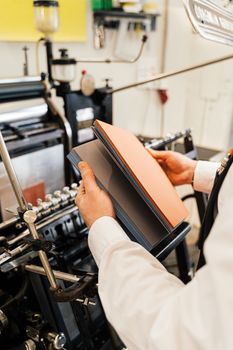 Open studio
 ● REC
● RECCommunication
Email, live chat, screen recordings and meeting notes.Customer service
Live chat, quotes, reviews and approvals from a link.Sales & quotes
Quotes from your own prices, decks and follow-ups.


Projects & teams
Jobs, clients, files, goals and team work in one Hub. Lesson 3: Fractions
Learning & training
Lessons, presentations, training videos and notes. Fast, friendly repairs
Websites & modules
Websites you build by describing them, with modules that work.The tools
Professional tools. One sign-in.
Each tool is a complete product, with the controls a professional expects and an AI you talk to in plain words, typed or spoken.
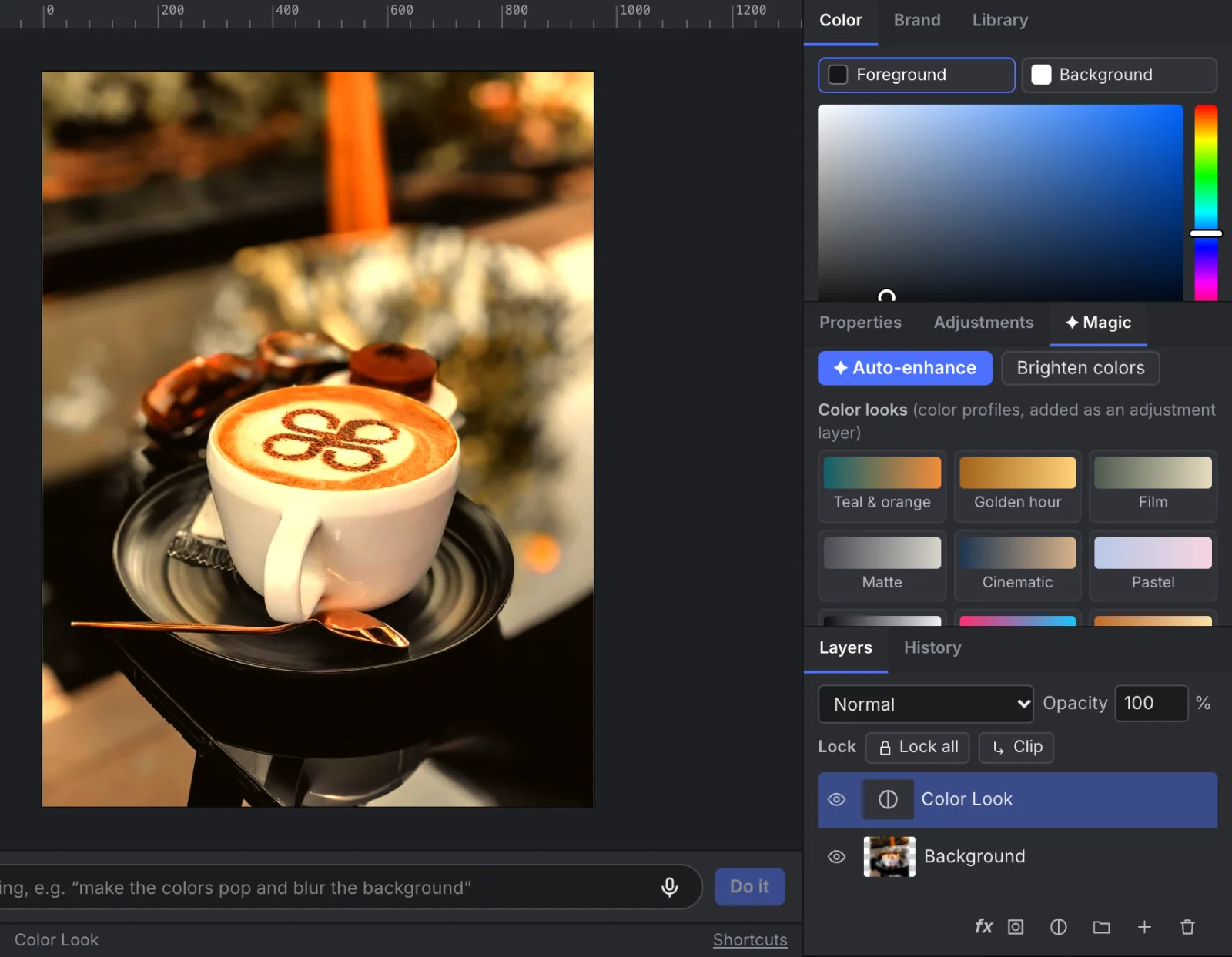
Pro Designer
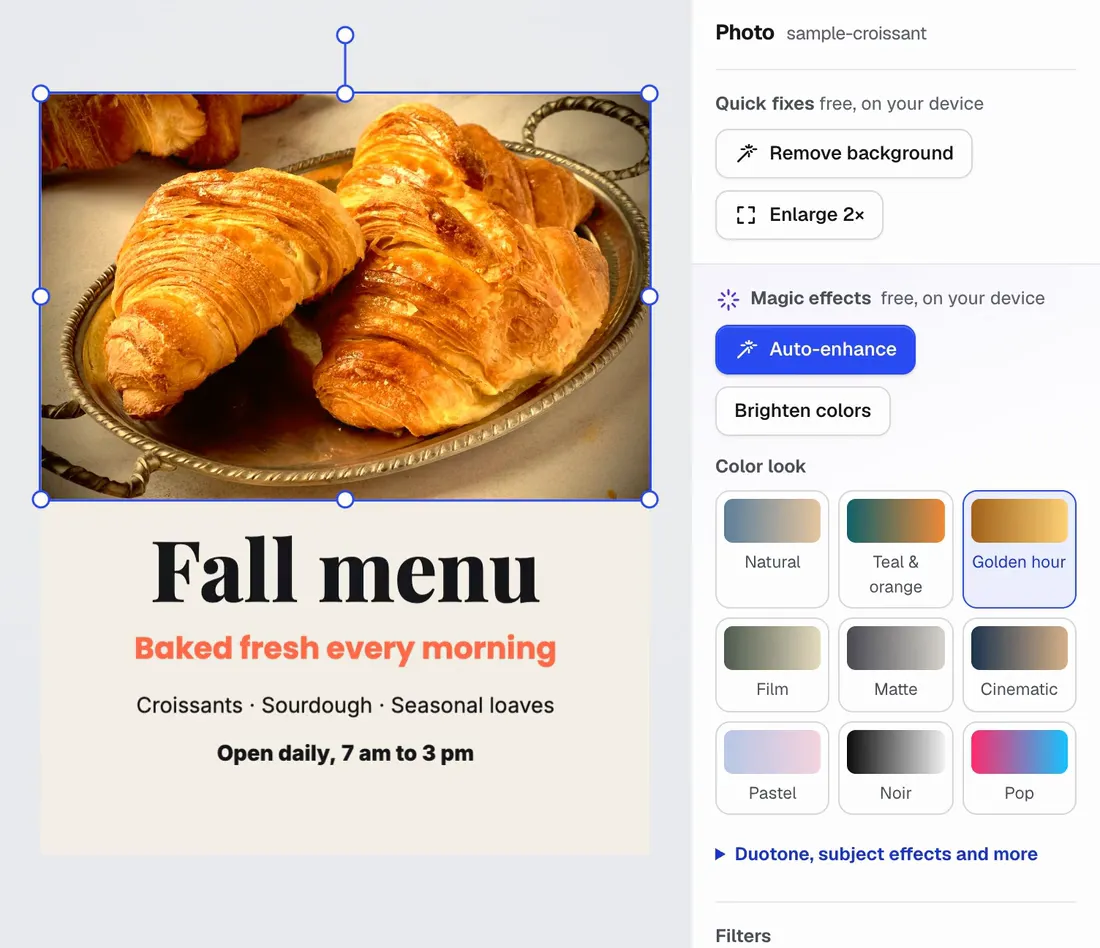
NewPro Designer gives you layers, masks, selections, retouching brushes and PSD files with nothing to install. Ask for changes in plain words, and the free on-device tools do most of the work.
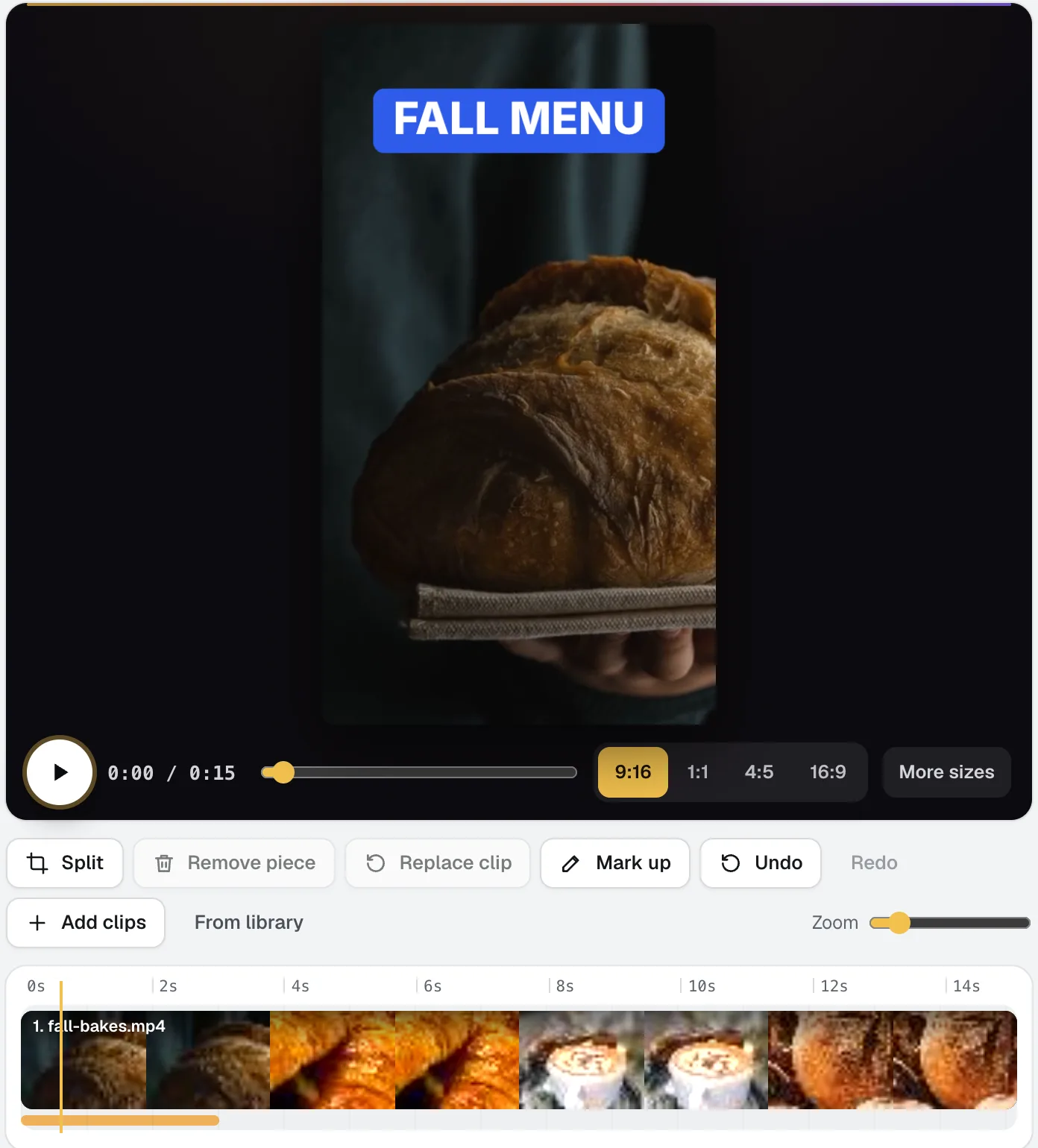
Video Kit
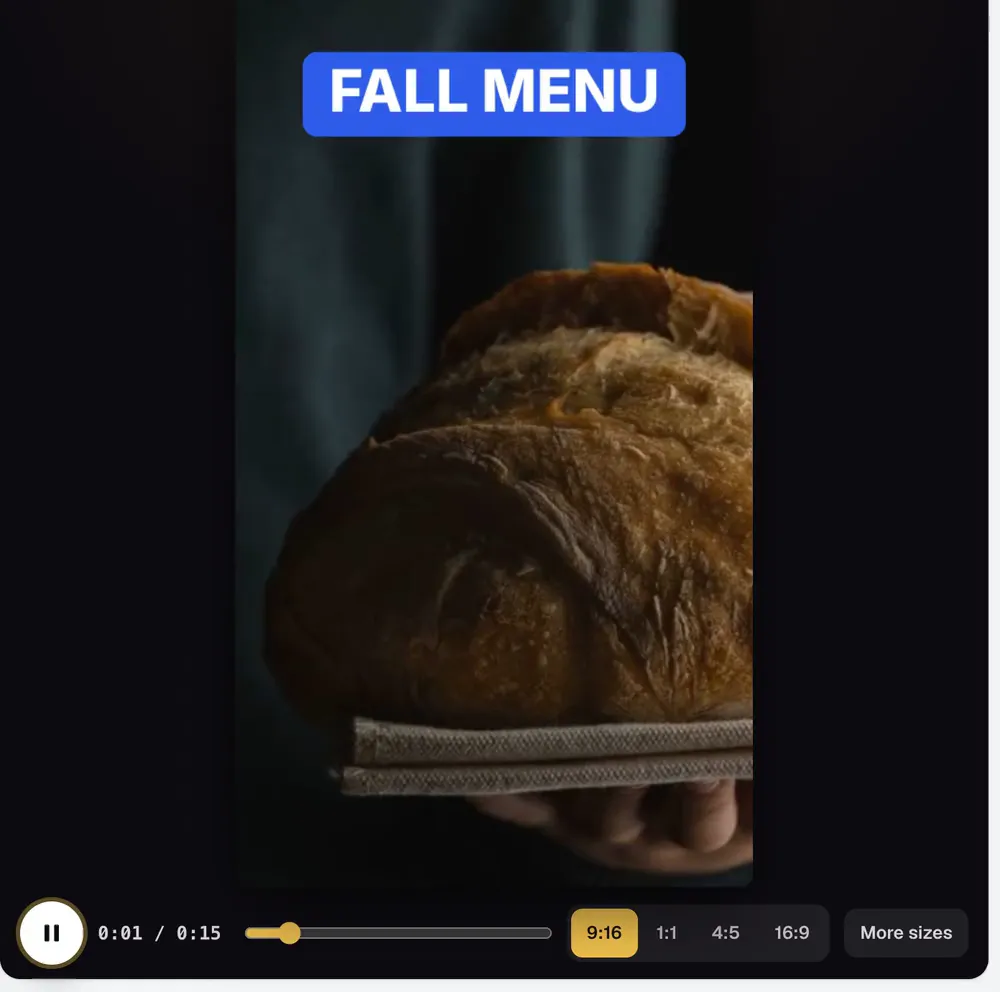
NewVideo Kit is an AI video editor for social media: drop in your clips and edit them like a document. Delete words to cut the video, remove pauses and ums in one pass, and Ask for changes in plain words. Captions, sizes, music and your logo are built in.
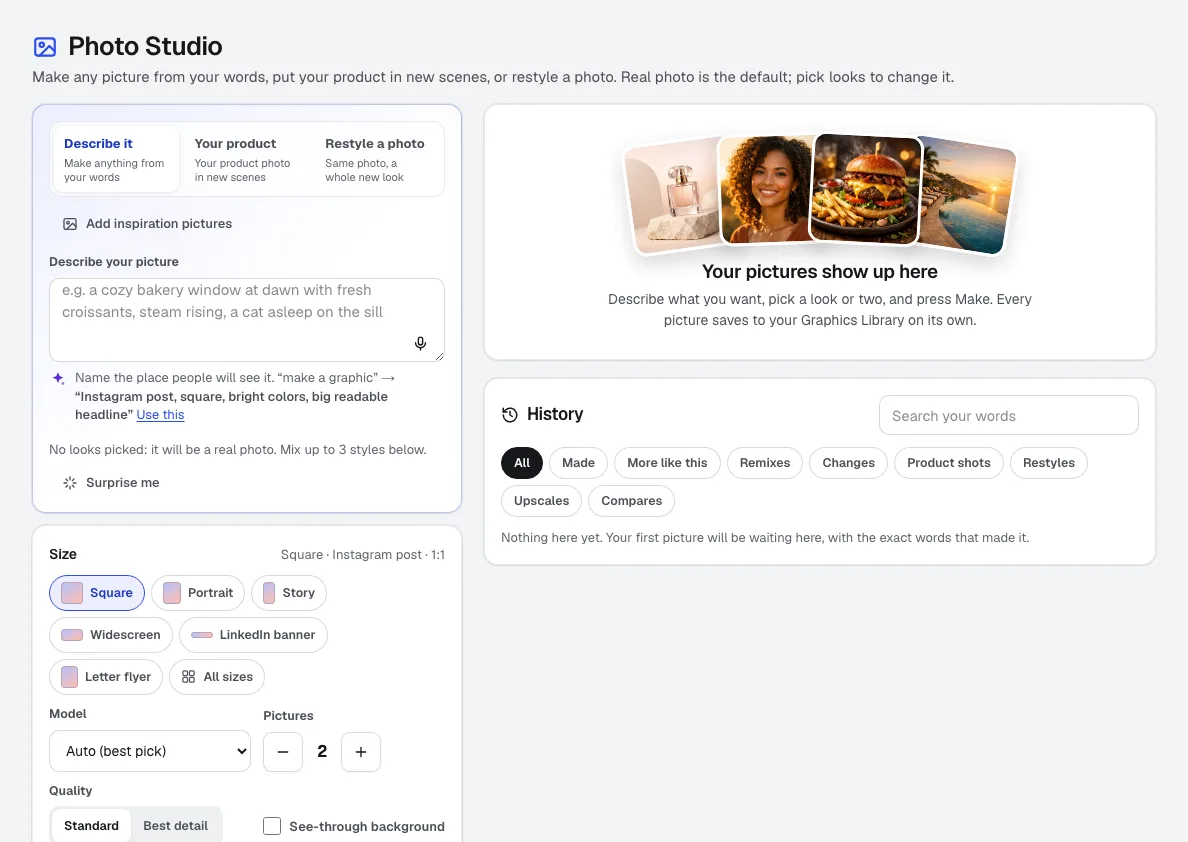
Photo Studio
NewPhoto Studio is an AI image generator for your business: describe a picture, click and mix looks from 288 real sample pictures, put your own product in new scenes or restyle a photo, and get photos, product shots, scenes and art in the exact size for social, web or print.
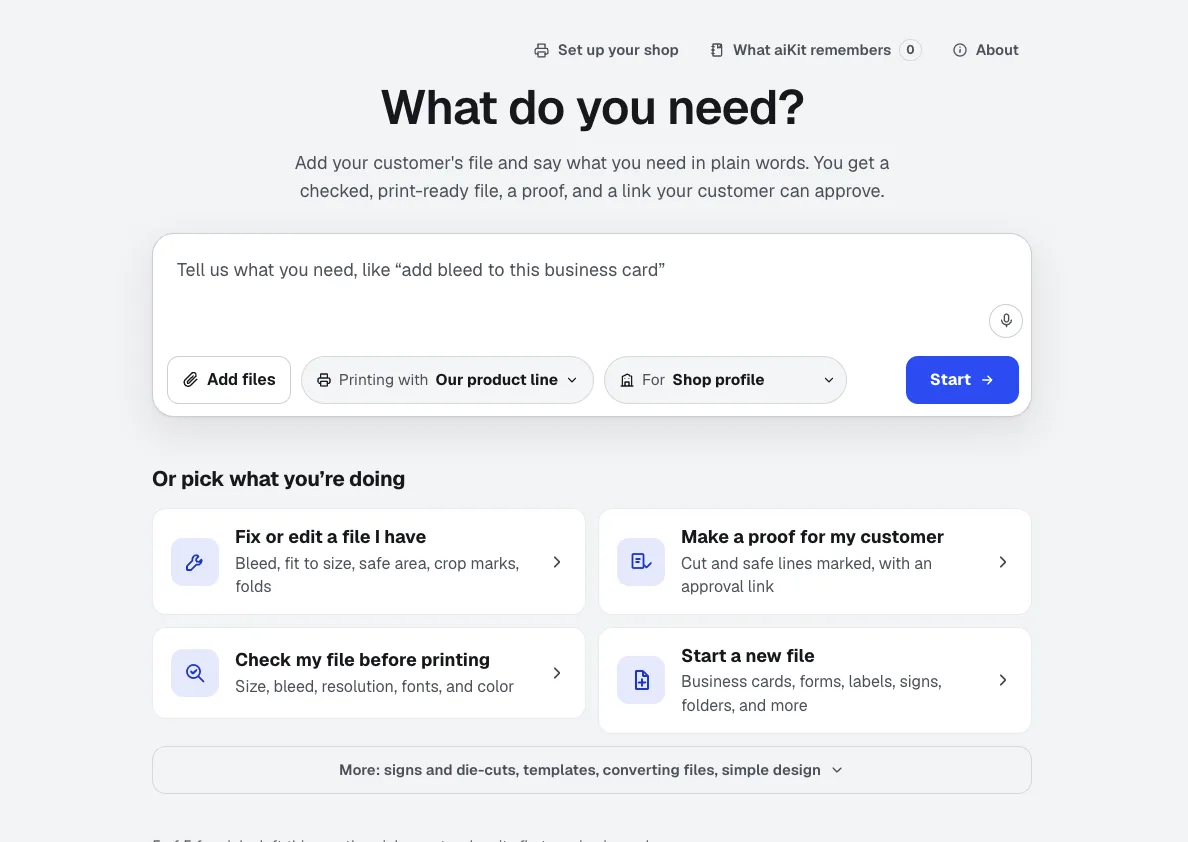
Printer’s Helper
NewDrop in a file or a logo and say it in plain words: add bleed, resize, check it, make a notepad. Printer’s Helper is print preflight software that makes the fix too: it builds the file to exact print numbers, shows what it changed, and sends a proof your customer approves.
Quote Studio
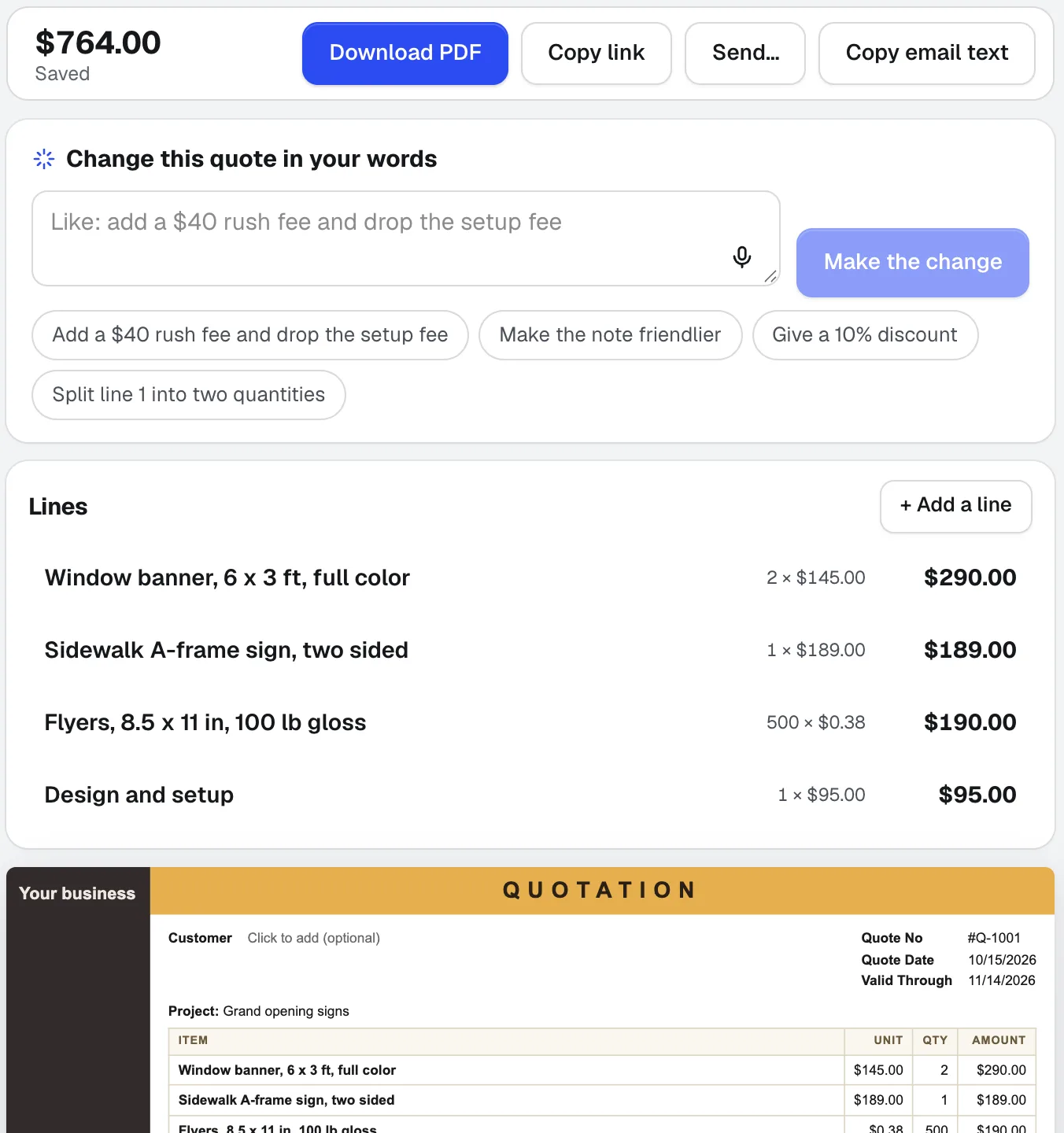
NewPaste a customer's email, dictate the job, or add a photo of a handwritten list. Quote Studio is quoting software that drafts a one-page quote using only your own prices, then you download the PDF or send a live page your customer accepts online.
Music Maker
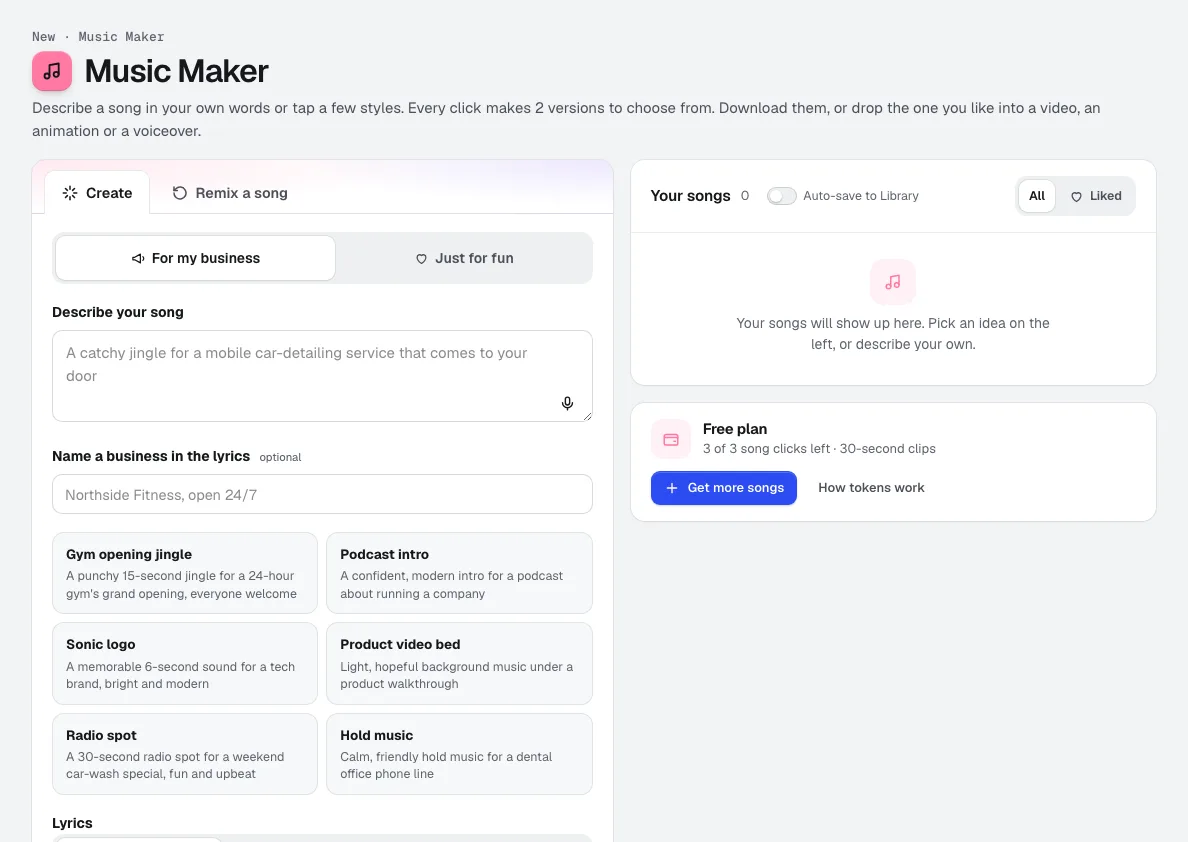
NewaiKit's AI music generator turns a description, or a few tapped styles, into 2 versions of an original song with AI-written lyrics, your lyrics, or no vocals. Cut it for an ad, send it for approval, or drop it under your video.
Integrated
Make it in one tool. Finish it in another.
aiKit’s tools are connected, so what you make in one becomes the start of the next. A picture becomes a design. A song becomes the music under your video. A mockup becomes a proof your customer approves.
- AI pictures into finished designsMake a picture in Photo Studio, then send it to Magic Canvas, Pro Designer, Mockup Studio or Motion Maker in one click.
- Your own song under your videoMake an original song in Music Maker and send it to Video Kit or Motion Maker, where it dips while people speak.
- AI clips into a finished videoMake short clips in Scene Studio, then join them in Video Kit with captions, music and a voice-over.
- Photos into animated postsSend pictures from your Graphics Library into Motion Maker to animate them, or into a blog post in Content Kit.
- Your brand, everywhereLogos and colors from Vectorize Kit are one click away in Pro Designer and Magic Canvas.
- Mockups into approved proofsSend a mockup to Customer Proofs and your customer approves it from a link.
Websites & business systems
Build the systems your business runs on.
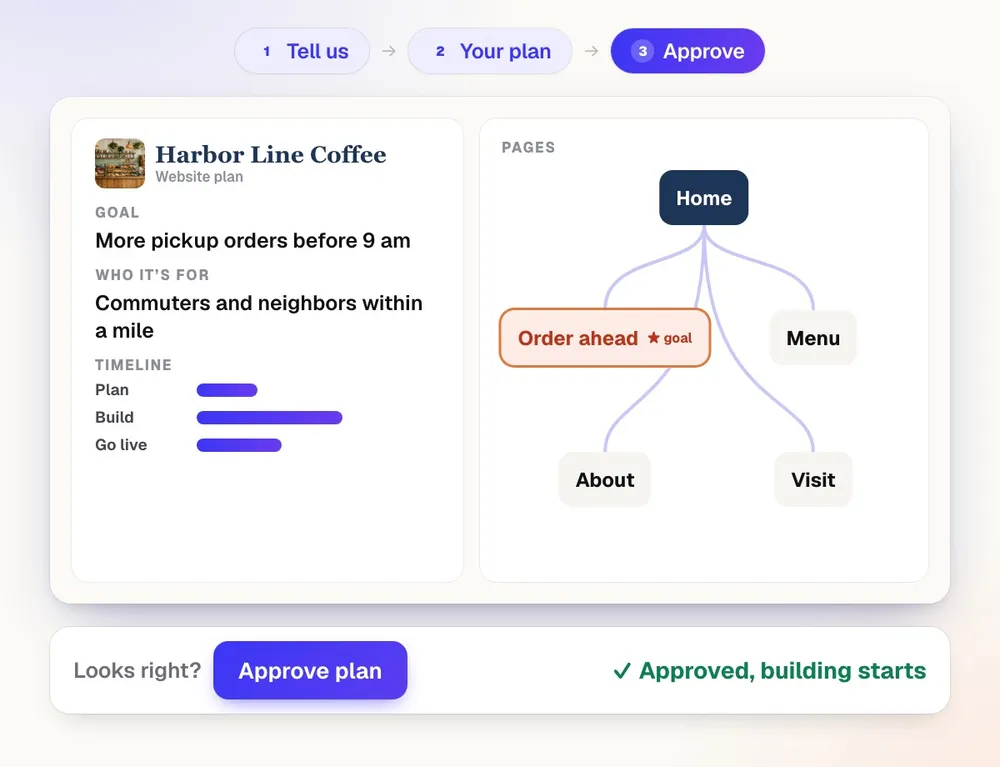
Describe a website and aiKit plans it, builds it and hosts it. Pick working modules from a menu, change anything by asking, and manage dozens of sites from one list.
Beta Admin systems and more modules are still being built; available in the coming weeks.
The Hub
One Hub for every job, client and teammate.
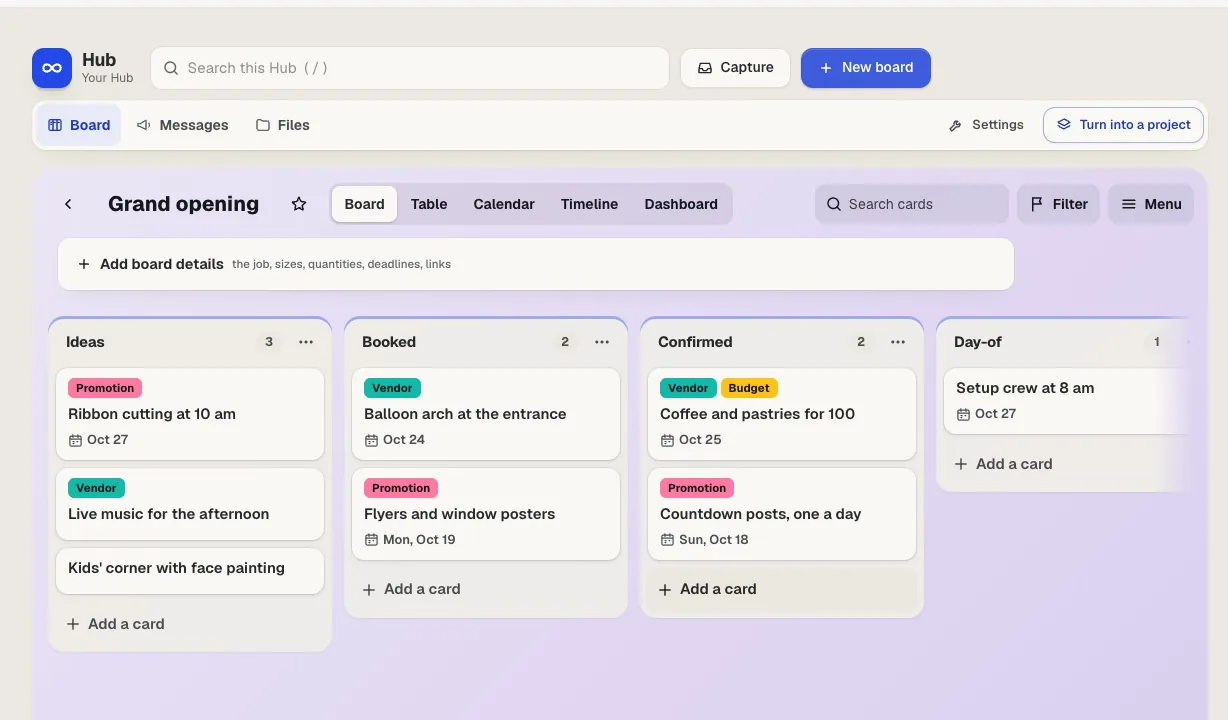
The Hub is aiKit’s project and client workspace. Every job is a card, every client gets a project, and the quotes, proofs and bookings you make in other tools link straight back to it.
Questions
Questions people ask about aiKit
What does "early access" mean for aiKit?
What is aiKit?
Is aiKit free?
Which industries is aiKit for?
What's the difference between a tool and a module in aiKit?
Do I need to install anything?
Can aiKit build and host my website?
Can I use aiKit for client work?
Who owns the files I make in aiKit?
How often does aiKit add new tools?
Every kind of AI, one account. Start free.
Open your kit today and use any tool: writing, design, video, voice, print, sales and websites. Free account, no card needed.